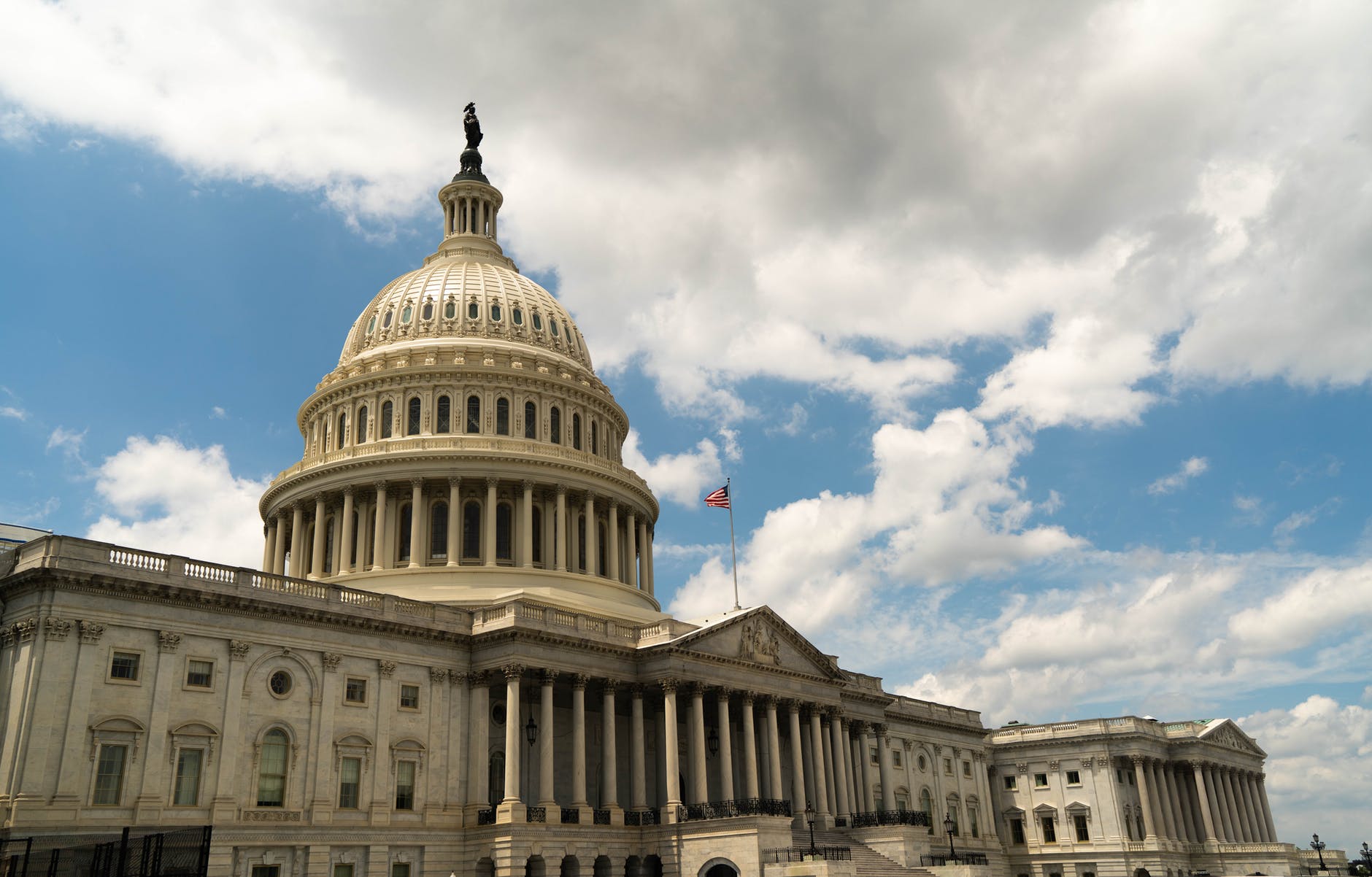
The question that lies at the center of most of my research is what effect do changes in a political party’s coalition have on that party’s subsequent behavior?
My recent book, Education Realignment and Congressional Representation: Electoral Coalitions, Position Taking, and Polarization in American Party Politics, looks at the effect of the partisan realignment of college-educated voters to the Democratic Party and non-college-educated voters to the Republican Party on both parties’ positions on six issue areas: (1) LGBTQ+ rights; (2) environmental protection; (3) abortion rights; (4) gun control; (5) immigration; and (6) economic regulation. This mixed-methods study finds that the education realignment has increased polarization and internal party agreement on social issues by removing outliers in both parties on these issue areas; but has had less of a pronounced effect on position taking on economic regulation among both parties in Congress in recent decades.
In addition to my book project, I am also interested in examining whether this realignment or other factors explain the leftward shift of American suburbs in recent years.
I am in the early stages of a new project on the political futures of successful primary challengers who oust incumbent members of Congress.
Publications
Kersting, Joel B. 2024. “An Environmental Education: How the Education Realignment Polarized Congress on the Environment.” Environmental Politics 33(4): 612-634.
Kersting, Joel B. 2023. “Schooling the Parties: The Effect of the Education Realignment on LGBTQ+ Party Position Taking in the U.S. House of Representatives.” Politics, Groups, and Identities 11(2): 267-286.
Working Papers
“Won the Primary but Lost the War? Examining Congressional Primary Challengers”
“My Blue Heaven: Explaining Growth in Democratic Support in the American Suburbs,” with Christopher G. Faricy